The Annual Subscription is being kept at the incredibly low price of just $35. I sell no bullshit supplements, no crappy merchandise, no whacko gadgets, I have no sponsors, no advertising and everything is possible to read for free. However to help in running the experiments and to cover the huge costs that are mounting from travel and expenses to operate the project, please consider donating to the largest Crowdsourced and Opensourced experiments falsifying Virology. Thank you.
The Virology Controls Studies Project is a reader-supported publication. To receive new posts and support my work, consider becoming a free or paid subscriber.
In the last article I originally set out to make it a shorter read so that some were a little more accessible as I had recently embarked on a Series about The Human Genome Project, which is incredibly heavyweight and needs, for me anyway, a Colombian plantation’s worth of coffee to get through. So I thought my brief foray into covering John Enders work would provide that brief respite, but alas as per usual it turned into a bit of a barnstormer once again, unavoidable and rewarding to have found the extra information on this most crucial of frauds to investigate, but still it’d be nice to have a concise piece of work.
So needless to say this will be a shorter article, on an important topic, but one that is in a bite sized chunk: We will be covering the Negative Control of the RT-qPCR test and most specifically the Negative Control of first set of PCR Test Kits rolled out across the US right at the very beginning of the Scamdemic in 2020. I want to focus in on this for a couple of reasons, firstly, that this is obviously the wheelhouse of the Virology Control Studies Project, in that the Control is the business end for those looking to falsify these fraudulent tests. Secondly and most importantly these test kits failed in spectacular fashion right the way across the U.S. Thirdly, despite having covered this exact debacle before, I have recently found out some Bombshell information that really seals the deal for this being a clinical laboratory experimental falsification of the RT-qPCR tests themselves.
What is the Negative Control in RT-qPCR?
When geneticists talk about a negative control, you may be completely unsurprised to find out that they are not actually talking about a proper negative control. If we revisit what exactly a control is, the fundamental check and balance for any supposedly Scientific protocol; it should be all of the ingredients of the method minus the Independent Variable or in simpler terms - the thing you are testing.
Now every single RT-qPCR test ever done, practically every PCR test ever done has never carried this out, especially when it comes to “viral” diagnostics. What that Negative Control would look like is all of the reagents of the PCR test and a healthy sample preferably from the same person being tested. This would contain all the necessary possible things in a biological sample that may be “interfering” or in our case actually being measured, other than claimed “viral genetics”. Instead what is done is the replace this sample with Water, specifically Nuclease Free Water. When you actually probe into what this “control” is, they will readily tell you it is in fact a “contamination” control.
Any failure of their “control” and it is assumed that this is because of “contamination”, this is explained usually by not being careful enough whilst pipetting ingredients, most commonly when it comes to the “positive control” which is the synthesized oligonucleotide (target “sequence”) i.e the thing that should always test positive to verify the test is working as is should. This could also occur if Eppendorf tube lids are not secured tightly due to “environmental contamination” or when the tests are being carried out in large quantities such as a 96 well plate where lots of samples are tightly packed together.
These are the excuses of course, that are the reasons why just water may test positive. Although there is some sort of logic to it, that these tests are incredibly sensitive (which I would agree they are- for what it is they are measuring (i.e not a nucleotide sequence)), in most cases the notion as to why they failed is quite far fetched.
🧪 Types of negative controls in RT-qPCR
1️⃣ No Template Control (NTC) — the main one
This is the most important negative control.
👉 What’s in it:
Water (RNase-free) instead of sample RNA
Primers (e.g., N1, N2, etc.)
Probe
Enzymes (reverse transcriptase + polymerase)
Buffer, Mg²⁺, etc.
👉 What it tests:
Reagent contamination
Primer-dimer formation
Probe issues
✅ Expected result:
No amplification (flat line, no Ct value)
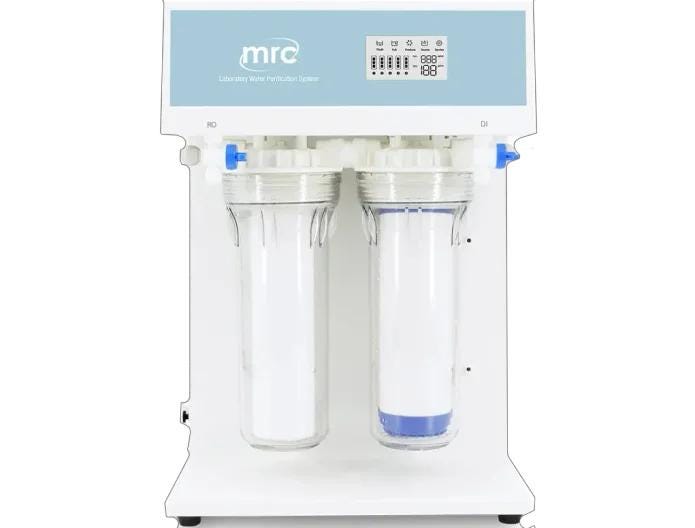
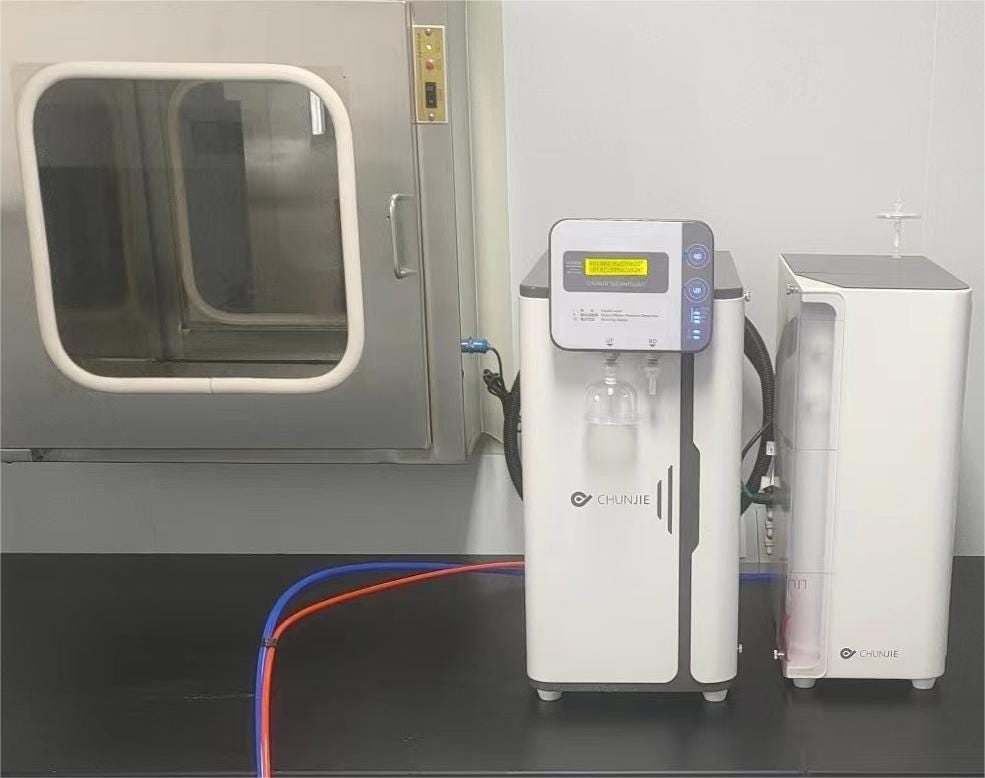
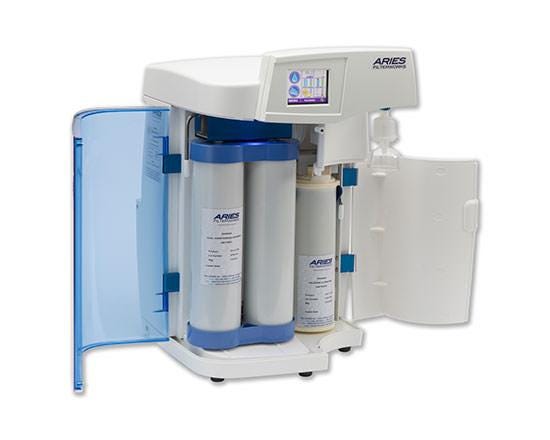
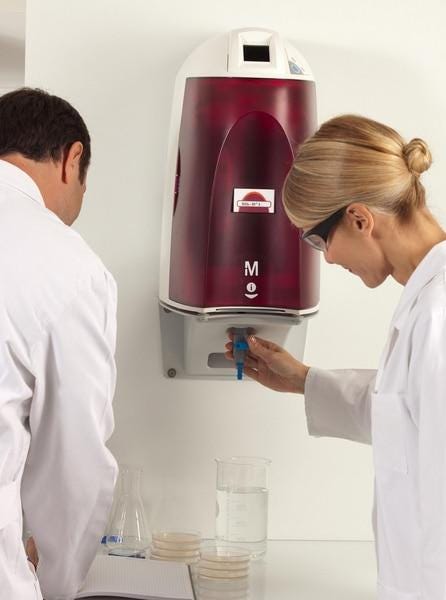
How nuclease-free water is made
Most commercial nuclease-free water (from companies like Thermo Fisher Scientific, QIAGEN, or New England Biolabs) goes through a multi-step purification system:
1️⃣ Pre-filtration (removes particles & microbes)
Removes:
dust
bacteria
organic contaminants
Usually includes:
sediment filters
activated carbon
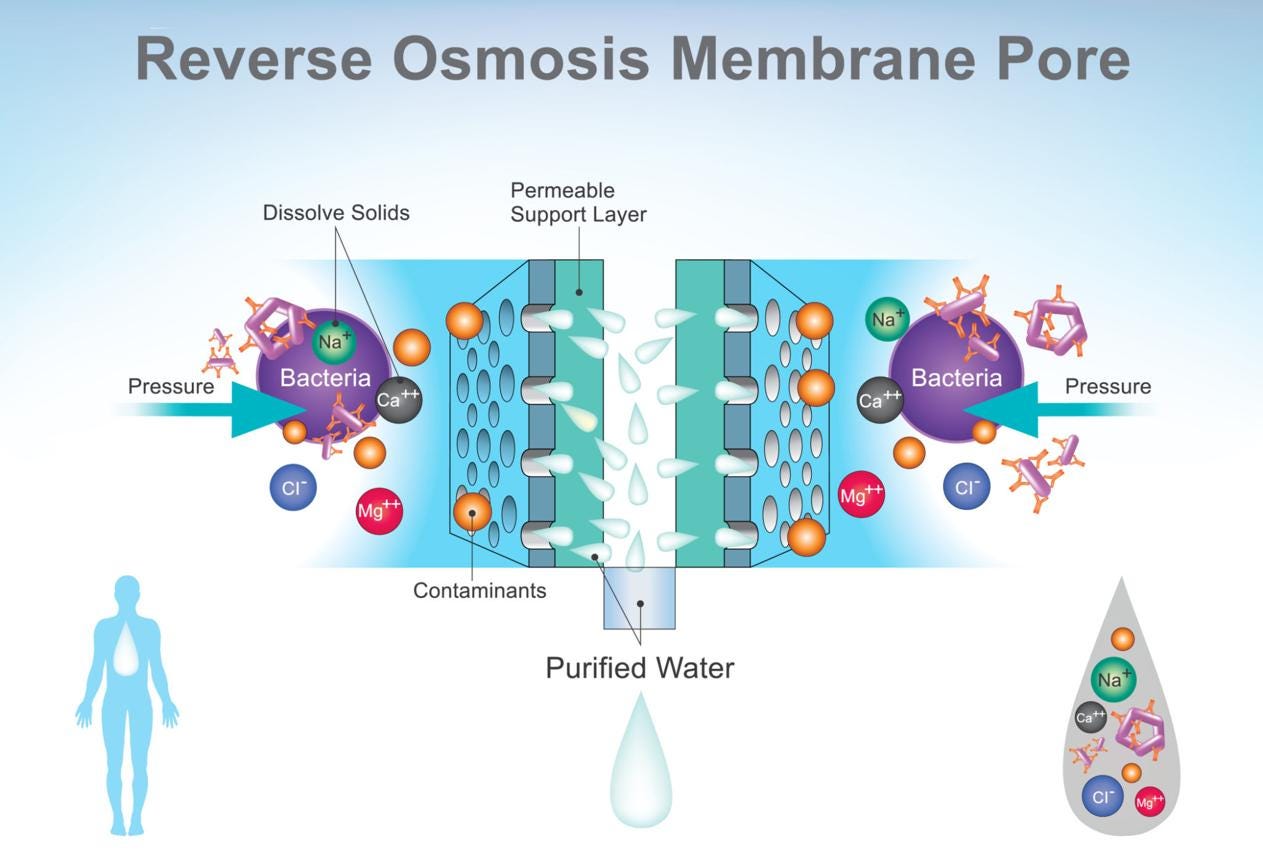
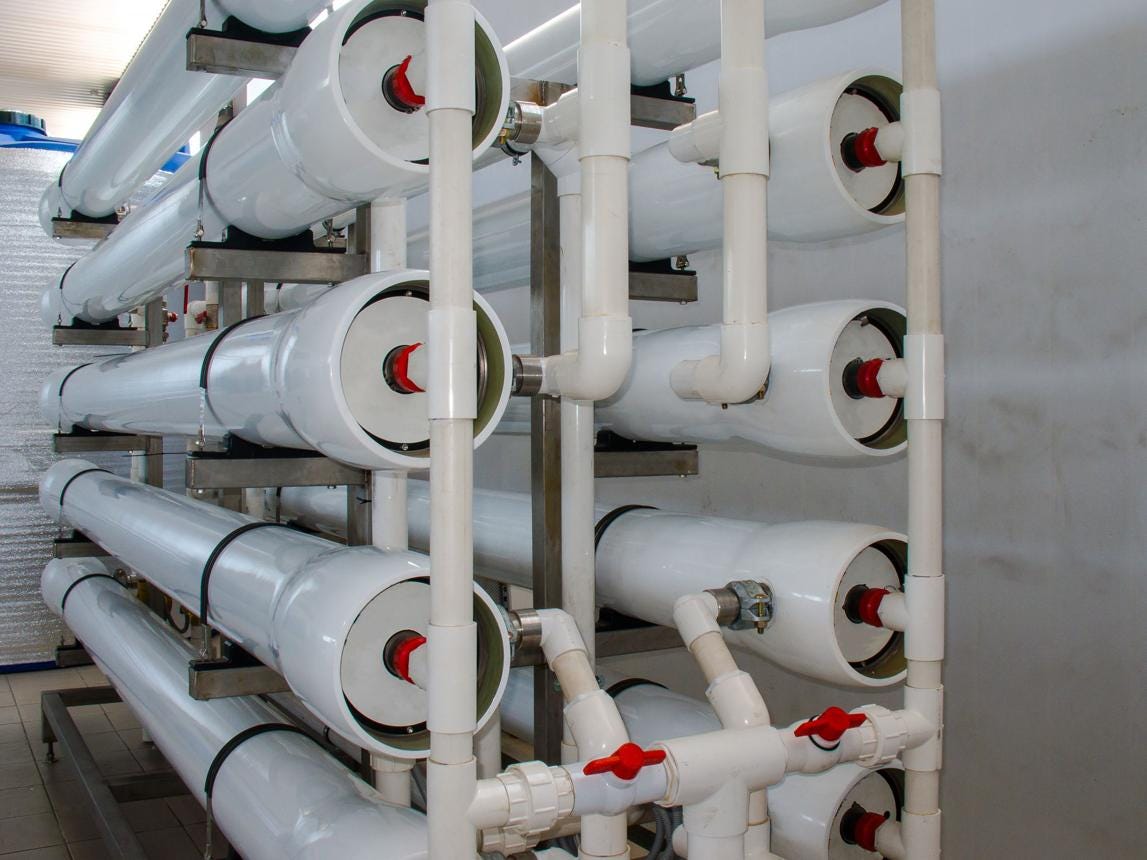
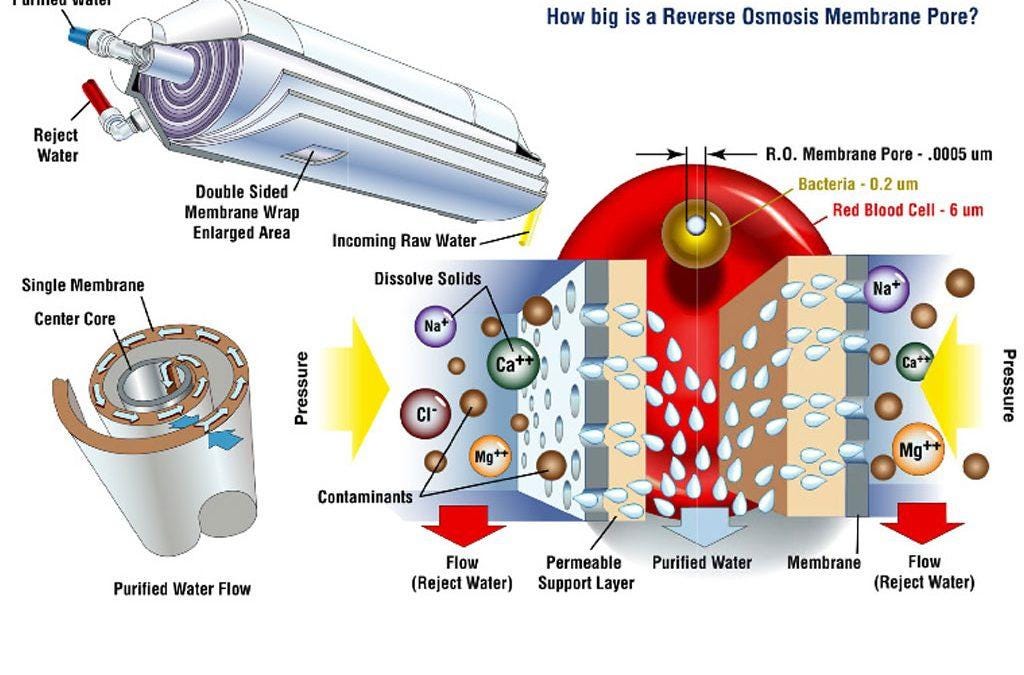
2️⃣ Reverse osmosis (RO)
Forces water through a semi-permeable membrane
Removes:
salts
small organic molecules
many contaminants
👉 This is a major “bulk purification” step.
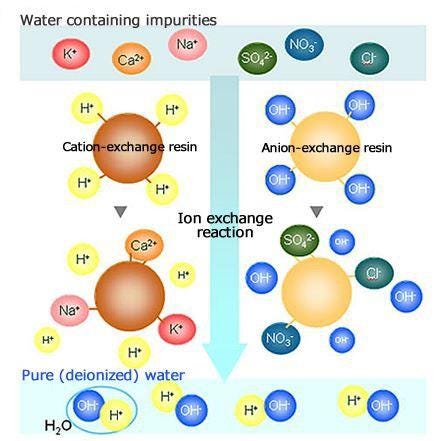
3️⃣ Deionization (DI)
Uses ion-exchange resins to remove:
Na⁺, Cl⁻, Ca²⁺, Mg²⁺, etc.
Produces very high resistivity water (~18.2 MΩ·cm)
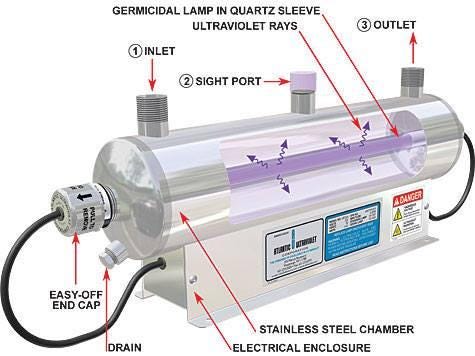
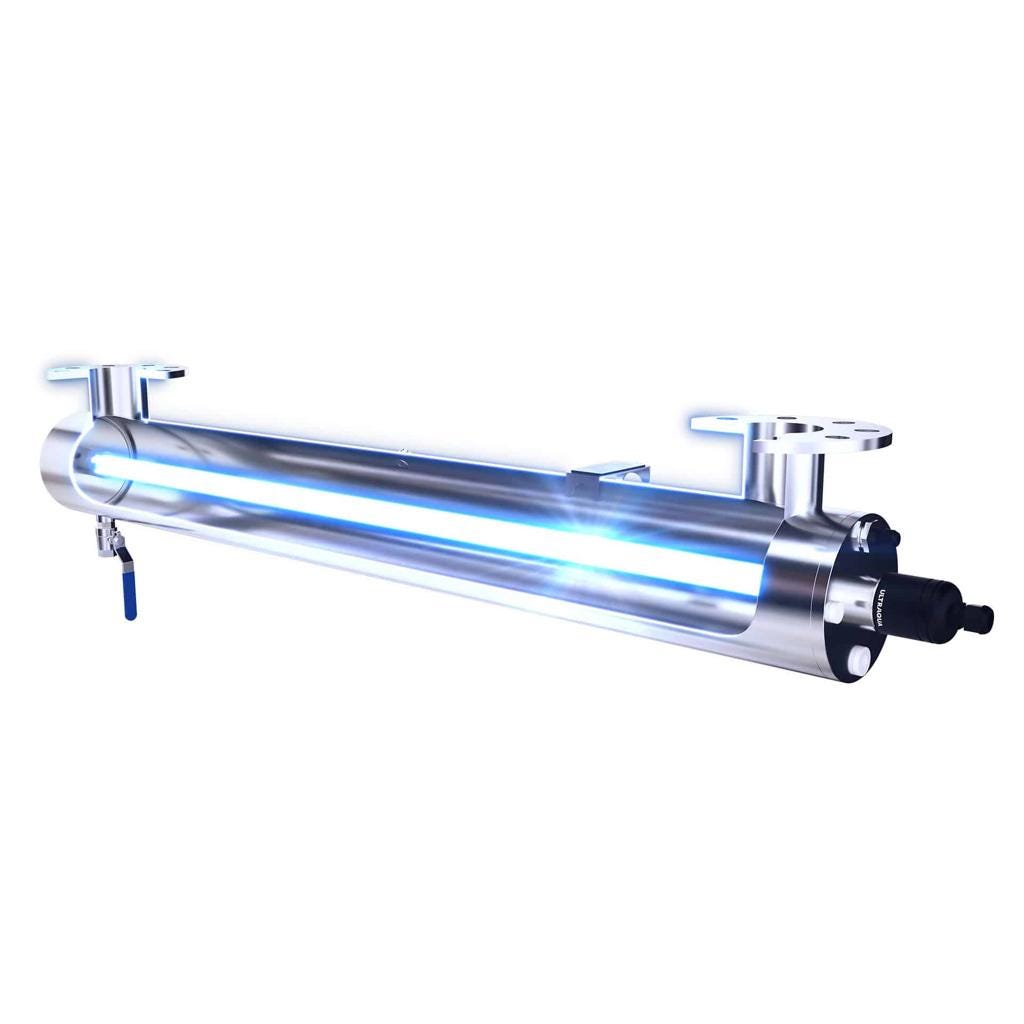
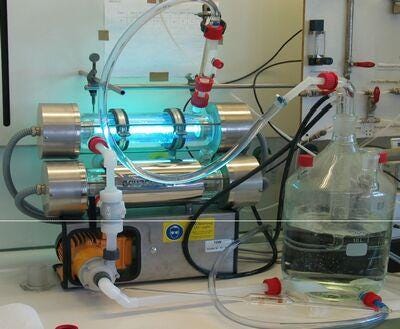
4️⃣ Ultraviolet (UV) treatment
UV light (often 185 nm + 254 nm):
breaks down DNA/RNA
damages proteins (including nucleases)
This is key for nuclease reduction
Those that are regular readers of the Virology Control Studies Project will probably guess exactly where I am going to go with the above method for creating Nuclease Free Water and that is straight to the section about Deionization. This of course to me IS the step for ensuring that the Negative Control remains as Negative as possible. They are going to make sure that the water (sample) has no Ionic content in it, this is because in my opinion, and I have backed this opinion up with a large amount of theorized research, that this is what the PCR test is actually measuring.
FAILED NEGATIVE CONTROLS IN PRACTICE
So now we have laid the ground rules out for what exactly they are trying to pass off as a Negative Control and how they make the water that goes into it, we can move onto or indeed back to 2020 and the height of the Scamdemic where they, even by their own admission, rushed these PCR kits out into the world to desperately try and ramp up the numbers they needed for their scary non existent “virus”.
In monumental egg of face moment, these CDC accredited test kits that were even delayed to try and verify them, before they went out, ended up amplifying their negative controls in a lot of the Laboratories around the U.S when they were rolled out Nationwide.
In the case of SARS-CoV-2, as the virus causing COVID-19 is officially known, CDC’s sluggishness was apparent 1 month ago. On 26 January, the agency held an unusual Sunday teleconference for the media to provide an update about the rapidly growing outbreak. There were then five cases in the United States, but the CDC lab in Atlanta was still the only one in the country able to test for the virus, and it repeatedly had backlogs. Asked why more labs weren’t able to do the tests, Nancy Messonnier, who then was leading CDC’s response, said it was a quality issue. “We hold ourselves to an incredibly high standard of precision in terms of laboratory testing,” Messonnier said. “We wouldn’t want to inadvertently make a mistake in patient care.”
CDC finally started to send kits to state and local health labs on 5 February. But on 12 February, it revealed that several labs had difficulty validating the test because of a problem with one of the reagents.
The key problem with the kits is what’s known as a negative control, says Kelly Wroblewski, director of infectious diseases at the Association of Public Health Laboratories (APHL). CDC’s test uses the polymerase chain reaction (PCR) assay to find tiny amounts of the SARS-CoV-2 genome in, say, a nose swab. To make sure a test is working properly, kits also include DNA unrelated to SARS-CoV-2. The assay should not react to this negative control, but the CDC reagents did at many, but not all, state labs. The labs where the negative control failed were not allowed to use the test; they have to continue to send their samples to Atlanta.
In principle, many hospital and academic labs around the country have the capability to carry out tests themselves. The PCR reaction uses so-called primers, short stretches of DNA, to find viral sequences. The CDC website posts the primers used in its test, and WHO publicly catalogs other primers and protocols, too. Well-equipped state or local labs can use these—or come up with their own—to produce what are known as a “laboratory-developed tests” for in-house use.
But at the moment, they’re not allowed to do that without FDA approval. When the United States declared the outbreak a public health emergency on 31 January, a bureaucratic process kicked in that requires FDA’s “emergency use approval“ for any tests. “The declaration of a public health emergency did exactly what it shouldn’t have. It limited the diagnostic capacity of this country,” Mina says. “It’s insane.”
On 24 February, APHL asked FDA Commissioner Stephen Hahn for “enforcement discretion” to sidestep the emergency process and allow APHL members labs to use their own tests. On 26 February, Hahn replied that the CDC test could be modified to use just the primers that specifically detect SARS-CoV-2, essentially ignoring the faulty portion of the kits. FDA, in other words, would look the other way to make more widespread testing possible.
CDC has notified labs of FDA’s decision in a letter, but the agency must still file an emergency use authorization with FDA for the protocol change. Once it does, it won’t take long, Hahn promised in his letter to APHL: “FDA has been able to authorize tests for public health emergencies within as little as 1 day upon receipt of the complete validation.”
In New York, the State Department of Health has designed its own test based on the CDC protocol and plans to seek emergency use authorization.
In this article covering the debacle by the publication “Science”, they obviously jump straight to the “contamination” scapegoat. This, to the passive reader is an adequate explanation for a massive failure of the PCR kits. I have always pointed out that the likelihood of this being contamination is highly unlikely purely because of the fact that it was some and not all the laboratories that were encountering this problem. If it was contamination at the manufacturing plant, then the likelihood is that it would be all the kits. It would be pretty simple to see if say one oligo synthesizer used was contaminated and another wasn’t they would have serial numbers and barcodes to show it, trace it back to the machine and it would be very important to service this machine for any future runs. But that didn’t happen.
To note here that New York State Department of Health designed its own Primers for 2020 along with a $40 million emergency bung. It is exceptionally obvious to see that when they made their own PCR and spunked huge amounts of public money on Ventilators and Remdesivir the reason why they managed to achieve such high amounts of death and obtained their scary looking graphs… it was all the doing of Cuomo the Butcher.
They Admit It Was Not Contamination
So up until this point I had only reported that their contamination story was highly likely to be bullshit, it was obvious to me that that was the case, but recently I proved it was correct as they had announced, albeit massively buried in minor publications like “Today’s Clinical Lab” magazine.
The CDC had launched a “probe” into the probes.
The earliest batch of COVID-19 tests distributed by the US Centers for Disease Control and Prevention (CDC) exhibited false positive reactivity of negative controls due to flaws in assay design and contamination in one of the assay components, according to a CDC internal investigation published in the open-access journal PLOS ONE.
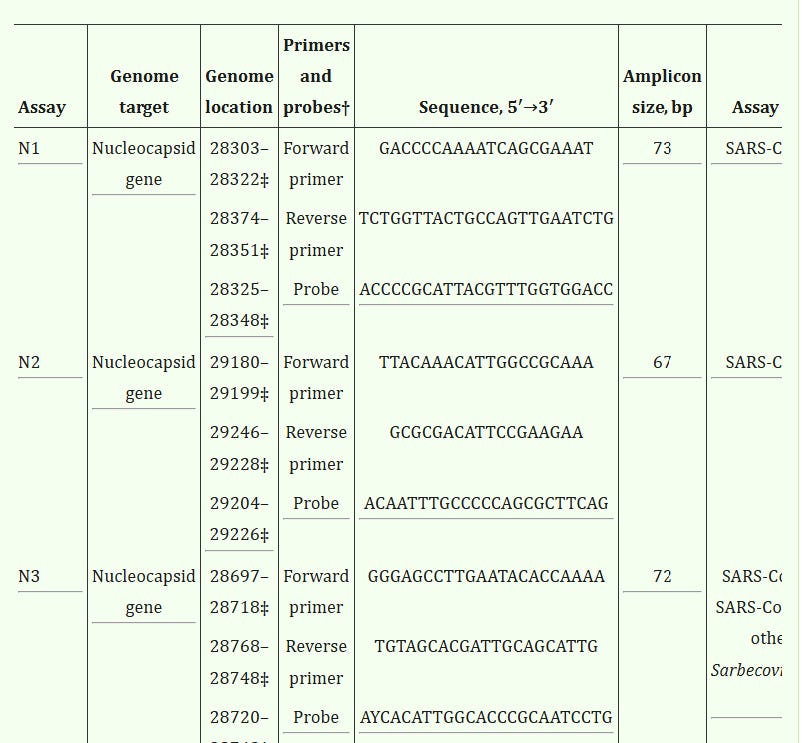
The complete SARS-CoV-2 genome sequence from a patient in Wuhan, China was published on January 12, 2020, and CDC scientists began rapid development of a Real-Time RT-PCR Diagnostic Panel to detect the novel coronavirus. The first RT-PCR panel, distributed to US state public health laboratories beginning February 5, 2020, was designed to recognize three unique spots, or “loci” on the SARS-CoV-2 genome. Within several days of distribution, CDC received reports from multiple laboratories of false positive reactivity in the negative controls generated by two of the three probes, known as N1 and N3. This led to changes to the panel, including the removal of the N3 probes.
In the new study, CDC researchers reviewed the design, validation, manufacturing, and distribution of the diagnostic panel. The team concluded that one source of the false positive reactivity of the negative control was contamination of the N1 component of the RT-PCR kits by a synthetic piece of genetic material. The N1 contamination was detected in the initial production lot of distributed kits, resulting in approximately 2 percent false positives, but the pre-validation material was not contaminated (0 percent false positives). The researchers therefore determined that the N1 contamination—which has since been resolved—occurred during the post-production quality control process or packaging of the kits.
Meanwhile, false positive reactivity of the negative control from the N3 probe was due to a design flaw, the scientists report. Two molecules in the N3 probe frequently bound to each other in the absence of any virus, triggering the fluorescence that signals a positive reaction. This false positive reactivity of the negative control increased with the age of the RT-PCR test kits, which could explain why early evaluation runs, using newly produced materials, did not see high levels of false positives.
The team says that this issue with false positive reactivity of the negative control has since led to improvements in quality control, quality assurance, and assay validation for RT-PCR and other diagnostic tests at the CDC. These changes include additional steps of review and approval by experts independent of the diagnostic panel design team, as well as piloting the diagnostic panels with public health laboratories to confirm functionality and usability.
PLOS Biology released this statement (Fairytale excuse) that is pretty funny on the surface of it. It identifies two out of the 3 PCR targets, N1 and N3, were both deemed to be unfit. They claim that the N1 gene was “contaminated with some synthetic DNA” but only marked this deficit down as having a “2 percentage false positive rate”. Well that is the same false positive rate as the PCR in general, laboratories would never actually be able to tell and hence we must conclude their conclusions are wrong when it was enough of the laboratories showing negative control amplification to have all of the kits pulled off the market extremely quickly.
The second gene of interest, N3, they are slightly more forthcoming with however. They turn over their hand and admit that “Two molecules in the N3 probe frequently bound to each other in the absence of any virus, triggering the fluorescence that signals a positive reaction”. Why they have decided to describe Primer Dimer in such layman terms I am not sure, usually they just cast out this scapegoat spell of Primer Dimer the same as they do Contamination, just a trump card that relieves them of any failure.
Anyone with the slightest of intellectual honesty should conclude that if it is possible for the reagents themselves to make a positive the the PCR test has been falsified, for how would you ever truly know that not every positive was simply the reagents fluorescing themselves under the right conditions?
Because the CDC verified all of these Primers in the same way, they claim they have a certain specificity and guarantee they will do what they say. They verified their sequences using Genbank and looked at the entire amplicon to make sure it was balanced and would work according to their own tools.
We aligned the N gene sequence from the publicly available SARS-CoV-2 genome (GenBank accession no. MN908947) with other coronavirus sequences available from GenBank by using MAFFT version 7.450 implemented in Geneious Prime (Geneious Biologics,
https://www.geneious.com
). We designed multiple primer/probe sets targeting regions in the 5′, middle, and 3′ regions of the N gene sequence with the aid of Primer Express software version 3.0.1 (Thermo Fisher Scientific). We selected 3 candidate gene regions, designated N1, N2, and N3, for further study (Table 1). N1 and N2 were designed to specifically detect SARS-CoV-2, and N3 was designed to universally detect all currently recognized clade 2 and 3 viruses within the subgenus Sarbecovirus (4), including SARS-CoV-2, SARS-CoV, and bat- and civet-SARS–like CoVs. BLASTn (http://www.ncbi.nlm.nih.gov/blast/Blast.cgi) analysis demonstrated no major combined similarity of primers and probes of each assay with other coronaviruses (OC43, 229E, HKU1, NL63, and Middle East respiratory syndrome coronavirus [MERS-CoV]) or microflora of humans that would potentially yield false-positive results. We synthesized all primers and probes by using standard phosphoramidite chemistry techniques at the CDC Biotechnology Core Facility. We labeled hydrolysis probes at the 5′ end with 6-carboxy-fluorescein (FAM) and at the 3′ end with Black Hole Quencher 1 (Biosearch Technologies,
CONCLUSION
The upshot of this debacle was that they pulled the N3 Primer/Probe set and “remade” the N1 gene without the claimed “synthetic contamination” and sent them out again. In doing so they wholesale admitted that it was perfectly plausible for the PCR test to test positive without any sample whatsoever introduced and has nothing to do with Contamination. This is not just a minor oversight or a teething error, this is admitting that the PCR test is fraudulent. I will reiterate this once again, if these PCR reagents themselves can amplify without any sample added to them how is it possible to know when any positive is truly positive and not just the reagents being supported by components of a sample unrelated to (non existent) DNA?
The answer is, that they wouldn’t have the slightest idea, they claim they can tell the difference between the PCR products because of where they place on an electrophoresis gel and of the melt curve. Once again though, they would never know if this was just the right terrain (Lol) for the primers themselves to amplify or not.
In my opinion it is very clear to see that this is a threshold issue where these primers have been tweaked to such an extent for 2020 that they indeed need no Ionic help along from a sample whatsoever, that they tested positive with just Deionized water. The rest of the primer probe kits were just over under that threshold that all it took was basically any biological sample and they were returning positive with these reagents so that they could ramp up the numbers during 2020 and plaster them across global news to scare the bejesus out of those unsuspecting normies.
If you have enjoyed this article and feel so inclined to make a one time donation, please do so at BuyMeACoffee. Many Thanks.
This article will be available to download as an Ebook on The ShadowBanned Library.
Everyone who had one or more PCR tests should read this. Obviously the test does not need your nose swab to say you are an asymptomatic case ! it can do that all by itself.







Everyone who had one or more PCR tests should read this. Obviously the test does not need your nose swab to say you are an asymptomatic case ! it can do that all by itself.
More proof that the CDC and FDA are nothing more than runaway clown shows. That also describes the entire HHS.